Sugar Defender: Why Your Energy Crashes Every Afternoon — and the 24-Ingredient Drops People Are Trying
If your afternoons feel as if someone else is living them, this is worth five minutes. Below is a pattern many people over 40 recognise, why the usual fixes rarely last, and what's inside Sugar Defender, one formula built around it.
The 3pm Moment You Know Too Well
Lunch was nothing special. A sandwich, maybe some pasta. A glass of juice.
By three o'clock, you're reading the same email for the third time.
The words are there. They just won't go in.
Your eyelids feel heavier than they should at this hour. Someone asks you a simple question, and the answer takes a second longer to arrive than it used to.
Then comes the part you don't mention to anyone.
You're shorter-tempered. A colleague's harmless remark, a question from your partner, the television in the next room: things that wouldn't touch you at ten in the morning suddenly feel like too much.
And almost without deciding to, your hand goes looking for something. A biscuit. A second coffee. The chocolate in the drawer you promised yourself you'd leave alone.
It helps. For about forty minutes.
Then you're back where you started. Sometimes a little lower.
If that sounds familiar, you're not imagining it, and you're certainly not the only one. The afternoon crash, the foggy head and the short fuse tend to arrive together, and most people simply learn to live with all three.
Usually they put it down to a bad night, a busy week, or "just getting older".
But there's one detail in that scene that's easy to overlook. Once you notice it, the whole afternoon starts to make a lot more sense.
It Isn't Just Age (and Coffee Won't Fix It)
Here's the detail.
The slump doesn't arrive at random. It tends to show up at roughly the same time, a couple of hours after you've eaten.
Not first thing in the morning, when you might have slept badly. Not late at night, when tiredness would make sense. It comes in the early afternoon, shortly after lunch, almost on schedule.
A bad night's sleep doesn't keep a timetable like that. Neither does "getting older".
Something else does.
That's why the usual explanations never quite fit. If age were the whole story, you'd feel the same at 10am as you do at 3pm. If it were simply a lack of sleep, a strong coffee would sort it out.
And you already know what coffee does. It lifts you for a while, then it leaves you exactly where you were. Sometimes more restless, sometimes hungrier.
So what is it about those few hours after a meal?
The answer has less to do with how old you are, and more to do with what your body is being asked to handle at that point in the day. Once you see it laid out, the afternoon starts to look less like a mystery and more like a pattern you can recognise. That also means it's a pattern you can start to work with.
Rise, Drop, Repeat: The Mid-Afternoon Slump Explained
Think back to that lunch. A sandwich, some pasta, a glass of juice.
Ordinary food. But much of it turns into sugar in your bloodstream, and fairly quickly.
So after you eat, your blood sugar climbs. Your body responds by working to bring it back down again, which is exactly what it's supposed to do.
The trouble starts when the rise is steep. A sharp climb is often followed by a sharp drop. And for many people, that drop is precisely when the afternoon falls apart.
It can look like this:
- Your energy dips. Not gentle tiredness, more like someone has turned the dimmer switch down.
- Your focus slips. You read the same line again, lose your train of thought, forget why you opened a file.
- Your patience shortens. Small things start to grate.
- You get hungry again, even though you ate not long ago. And it's rarely a craving for an apple.
That last point matters most, because it's what keeps the whole thing going.
You reach for the biscuit or the sugary coffee. Your blood sugar climbs again. Then it drops again. By early evening you've been on that ride two or three times, and you feel as if you've done a full day's work twice over.
Seen this way, the 3pm slump isn't a character flaw or a lack of willpower. It's a rhythm, and you've probably been repeating it for years without anyone pointing it out.
There's one more piece to it, though. If this cycle has always been there, why does it seem to hit so much harder now than it did at 30?
Why It Feels Harder After 40
At 30, you could have pasta at lunch and a pastry with your coffee, and you'd barely notice.
Now the same lunch seems to cost you the whole afternoon.
Nothing dramatic has happened. But several small things tend to shift at once as the years go by:
- We move less than we used to. Fewer stairs, more chairs, more time at a desk or behind the wheel.
- Sleep becomes lighter and more broken, and a short night makes the afternoon dip feel deeper.
- The body tends to handle sugar a little less smoothly than it once did. The same meal can leave a bigger mark.
- Life gets fuller. Work, family, perhaps parents who need more of your time. The afternoon is exactly when you need to be at your sharpest.
None of these on its own is a crisis. Together, they can turn a mild after-lunch lull into the part of the day you quietly dread.
And it doesn't stay inside the afternoon.
It's the meeting where you lose your thread halfway through a sentence. It's snapping at someone you love over something that didn't matter, and then feeling bad about it all evening. It's turning down a walk after work because you simply haven't got it in you.
Then there's the waistline.
When hunger keeps coming back every couple of hours, the extra snacks add up. Many people notice their trousers getting tighter even though they don't feel they're eating that much. And no amount of "being good" at dinner seems to undo it.
That's what makes this frustrating. It isn't a dramatic problem you can point to. It's a slow erosion of the version of yourself you're used to: the one with steady energy, a clear head and patience to spare.
Most people don't want anything extraordinary. They just want that person back, all the way to the end of the day.

So what have you tried so far? And why hasn't any of it quite stuck?
What You've Probably Already Tried
If you're reading this, you've likely tried at least one of these. Most people have tried several.
More coffee. It's the obvious fix and it does work, briefly. But caffeine doesn't change what happens after lunch. It just covers it up for an hour. Have a third cup at 4pm and you may well pay for it at 2am.
Cutting out sugar. A sensible instinct, and worth doing. The problem is that the sugar isn't only in the obvious places. It's in the bread, the pasta, the "healthy" cereal bar, the fruit juice, the sauce on the ready meal. Cutting it out completely is a full-time job, and when the 3pm craving arrives, willpower is usually at its lowest.
Skipping lunch. Some people decide that if food brings on the slump, the answer is less food. Often it backfires. By late afternoon you're so hungry that the first thing you reach for is the quickest and sweetest thing available, and the cycle starts again with more force.
Snacking to "keep levels up". A biscuit here, a handful of something there. It feels like managing the problem. More often it's just feeding the rise-and-drop rhythm in smaller doses.
A cupboard full of supplements. This one is more common than you'd think. You read that a certain plant or mineral might help, so you buy it. Then you read about another, and another. Before long you have a row of jars, each with its own dose and its own instructions, and you can never quite remember which ones you've taken today.
One Sugar Defender customer, Sean B., described exactly that experience. He had looked up helpful plants, vitamins and minerals and started buying them separately, before finding a single product that included them all.
None of these approaches is foolish. Eating well, moving more and looking after your sleep all matter, and nothing on this page replaces them.
But they share one blind spot. Each one goes after a single piece of the problem: the tiredness, the craving or the hunger. None of them looks at the bigger question behind it:
What is your body actually up against, every single day, before you've even made a choice?
Why Today's Food Makes It Harder
Most of us were taught to think about blood sugar in one simple way: eat less sugar and the problem goes away.
It's not wrong. But it leaves out the part that matters most.
The real issue is that you're not choosing most of the sugar you eat.
Think about how much of an ordinary day's food has been processed, refined or sweetened before it ever reaches you. Soft white bread. Breakfast cereals. Flavoured yoghurts. Sauces, soups, "light" snacks, fruit juices, the crackers you thought were the sensible option. Much of it digests quickly and reaches your bloodstream as sugar faster than the food our grandparents ate.
Your body still has the same basic system for dealing with it. It's being asked to do far more, far more often.
The makers of Sugar Defender put it bluntly:
"Your body was not designed to handle the damage caused by the substantial sugar pumped into today's food."
You don't have to accept every word of that to see the point. The load has changed. The body handling it hasn't.
That changes the question.
The usual question: "How do I avoid every bit of sugar?" It's exhausting, nearly impossible to keep up, and it puts all the pressure on willpower.
A more useful question: "Alongside sensible eating, how do I support my body as it deals with what's already on the plate?"
That's a different way of looking at the 3pm slump. It's no longer about fighting yourself every afternoon. It's about giving your body a better footing for a job it does many times a day.
Researchers have spent years on that second question. Several plants and nutrients keep coming up in their work. Some are familiar from traditional use in Asia, Africa and South America. Others are compounds your body already uses every day.

So which ones have they actually looked at? And what did they find?
What Researchers Have Looked At
Before going further, one important point.
The studies below looked at individual ingredients, at the doses used in each study. None of them tested Sugar Defender itself. They tell us which plants and nutrients scientists have considered worth investigating, not what any single product will do for you.
With that in mind, here's what's on record.

Panax Ginseng
Ginseng has been part of traditional practice in East Asia for centuries, usually as a tonic for stamina and mental sharpness.
One study on the reference list connects directly with the 3pm scene we started with. Its title reports that single doses of a Panax ginseng extract (G115) reduced blood glucose levels and improved cognitive performance during sustained mental activity.
In other words, researchers looked at the exact moment when you need to keep concentrating, and found the plant worth studying in it. Another paper on the list examined ginseng in adults with blood sugar concerns.

Gymnema Sylvestre
Gymnema is a climbing plant long used in Ayurvedic tradition in India. Its Hindi name, gurmar, is often translated as "sugar destroyer", because chewing the leaf is known to dull the taste of sweetness for a while.
There's no Gymnema study on the Sugar Defender reference list. The manufacturer includes it for "healthy heart and blood sugar" support, and it's one of the most traditionally associated plants in this category.

Eleuthero (Siberian Ginseng)
Despite the nickname, Eleuthero is a different plant from Panax ginseng. It has a long history of use in Russia and Northern Asia as an "adaptogen", a plant traditionally taken to help the body cope with physical demands and fatigue.
The reference list includes an eight-week human study that looked at its effect on endurance capacity and metabolism. That fits with the energy side of the afternoon slump.

Maca Root
Maca grows high in the Peruvian Andes, where it has been eaten as a food for generations, traditionally for energy and vitality.
The reference list includes a randomised, double-blind, placebo-controlled study in adults that assessed the acceptability, safety and efficacy of black and red maca extracts. For an ingredient you might take daily, that safety focus matters.

African Mango (Irvingia Gabonensis)
The seeds of this West African fruit have been studied for their relationship with weight.
The reference list includes a study from Cameroon that looked at Irvingia seeds and their effect on body weight and blood lipids in adults with obesity. That's relevant to the hunger and waistline side of the cycle described earlier.
Green Tea and L-Carnitine
Two more names on the list may be familiar.
Green tea: a two-month controlled study in healthy postmenopausal women looked at its effect on cholesterol, glucose and hormone levels.
L-carnitine: a compound your body uses to turn fat into energy. Researchers have examined it from several angles, including insulin sensitivity after a glucose drink in lean and overweight men, and a systematic review and meta-analysis of its effect on glycaemic control.

So these ingredients have attracted genuine scientific interest, one by one.
That raises a practical problem, the same one Sean ran into: who wants to buy, measure and remember seven or eight separate supplements every morning?
Inside Sugar Defender: Ingredients and Label
That is the idea behind Sugar Defender.
Instead of a cupboard full of separate jars, its creator, Tom Green, brought these plants and nutrients together in a single liquid formula that you take once a day.

What's in the bottle
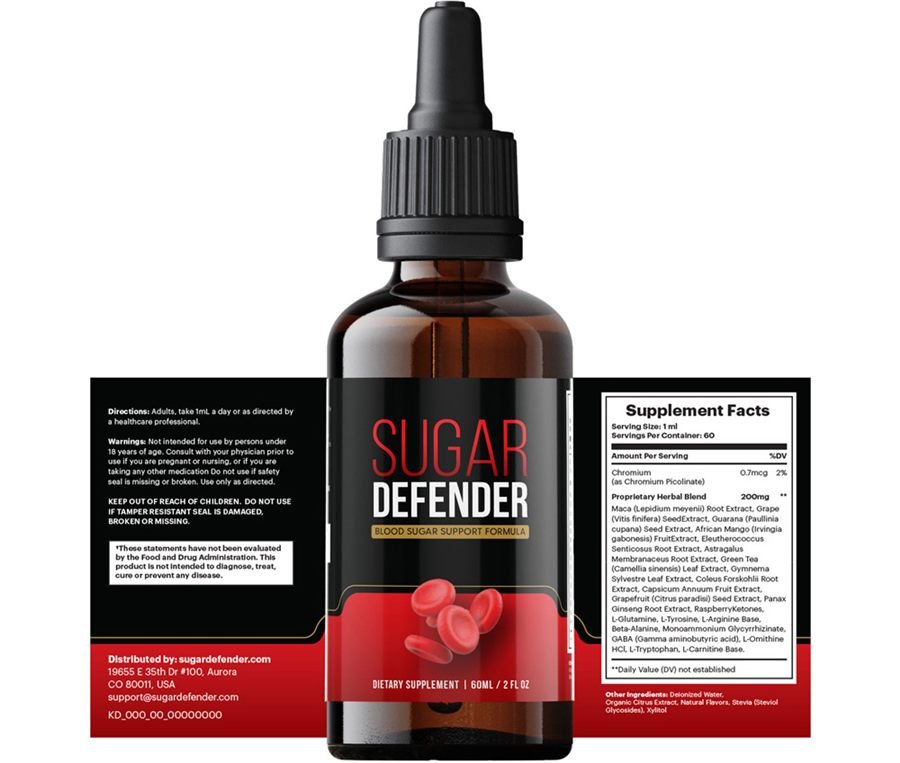
The front of the bottle highlights eight ingredients. The full label lists 24 components in total. Alongside the plants covered above (Panax ginseng, Gymnema, Eleuthero, Maca, African Mango and green tea), the formula includes:
- Guarana: a Brazilian seed that is a natural source of caffeine. The manufacturer includes it to support metabolism.
- Coleus forskohlii: a member of the mint family with a long history in Ayurvedic tradition, also included for metabolic support.
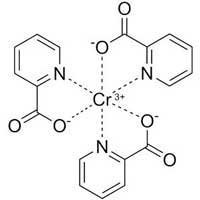
- Chromium: an essential trace mineral, present here in a small amount (0.7 mcg per serving, as chromium picolinate).
- Amino acids: L-carnitine, L-glutamine, L-tyrosine, L-arginine, L-ornithine, L-tryptophan, beta-alanine and GABA.
- Further botanicals: grape seed, grapefruit seed, astragalus root, capsicum fruit and raspberry ketones.


One detail worth knowing: the plant extracts and amino acids form a 200 mg proprietary blend. The label lists every ingredient, but not the individual amount of each. That's common practice in this category. It also means you can't compare doses directly with the studies mentioned earlier.
What it's made with, and without
According to the manufacturer, Sugar Defender is:
- made with plant ingredients;
- non-GMO;
- non-habit forming;
- easy to take, since it's a liquid rather than a large capsule;
- produced in a GMP-certified facility.
There's another detail that fits the whole theme of this article. The drops are sweetened with stevia and xylitol, not sugar. The remaining ingredients are deionised water, organic citrus extract and natural flavours.
How it's taken
The label directs adults to take 1 ml a day, or to follow the advice of a healthcare professional. On its website, the brand also suggests taking the drops before breakfast, either under the tongue or mixed into a glass of water.
There's one more thing. The manufacturer says the best results come with consistent use over around three months, rather than expecting a change overnight.
So one bottle, one daily serving, many of the ingredients researchers keep coming back to. The obvious next question is: what do people who've actually used it say?
Sugar Defender Reviews from Customers
The brand reports an average rating of 4.98 out of 5 from more than 2,000 reviews. Below are some of the customer comments published on the official website, unedited.

"Very happy with the results. My blood sugar is stable and I have more energy. Product is great. Looked up helpful plants, vitamins and minerals and started buying them separately, but found this product and all were included!"
That's the story mentioned earlier: one bottle in place of a row of separate jars.

"I really like this product! I've been taking another blood sugar support product for several years that is much more expensive and I thought I'd give this a try. Works just as well as the more expensive but yes, for less cost!! Thank you!"

"I have tried this for almost 3 months already. It worked!!! It did lower my blood sugars. And it's a great value as I have tried another product that costs more than twice and did not work as well as this Sugar Defender herbal supplement. Recommend!"
Look past the enthusiasm and two things come up again and again. One is energy and steadiness. The other is value, from people who had already spent money on other products or on several separate supplements. Robert's comment also matches the manufacturer's own advice: he's talking about nearly three months of use, not a few days.
These are individual experiences shared by customers and published by the brand. They haven't been independently verified, and results vary from person to person. A supplement is not a substitute for a varied diet, a healthy lifestyle or medical advice.
So is Sugar Defender a sensible fit for you? And when should you check with someone first?
Who It's For, and Who Should Check First
Sugar Defender isn't a miracle and doesn't claim to be one. It's a daily supplement, and like any supplement it suits some people better than others.
It may be worth considering if…
- you recognise the 3pm pattern: the dip, the fog, the short fuse, the craving for something sweet;
- you're over 40 and feel that food "costs" you more energy than it used to;
- you're already making sensible changes to how you eat and move, and you'd like extra support alongside them;
- you're tired of juggling several separate supplements and would prefer one daily serving;
- you're prepared to take it consistently for a few months rather than expecting an overnight change.
Check with your doctor or pharmacist first if…
- You take any medication. This matters especially if it's for blood sugar, blood pressure or your heart. Plant extracts can interact with medicines.
- You're pregnant or breastfeeding. The label says to consult a physician first.
- You have, or suspect you have, a medical condition. A supplement is no substitute for diagnosis or treatment.
- You're sensitive to caffeine. Guarana and green tea are both natural sources of it.
According to the manufacturer, it's taken by men and women from their 30s through to their 70s. It is not intended for anyone under 18.




Sugar Defender is designed for adults who want to support healthy blood sugar levels as part of their daily routine.
That isn't small print to skip over. A brand that tells you plainly who shouldn't take its product without advice is giving you the information you need to make a sensible decision.
If you've read this far and recognise yourself in the first list, the remaining questions are practical ones: what does it cost, does it ship to Europe, and what happens if it doesn't suit you?
Price, Shipping to Europe and the 60-Day Guarantee
Packages and prices
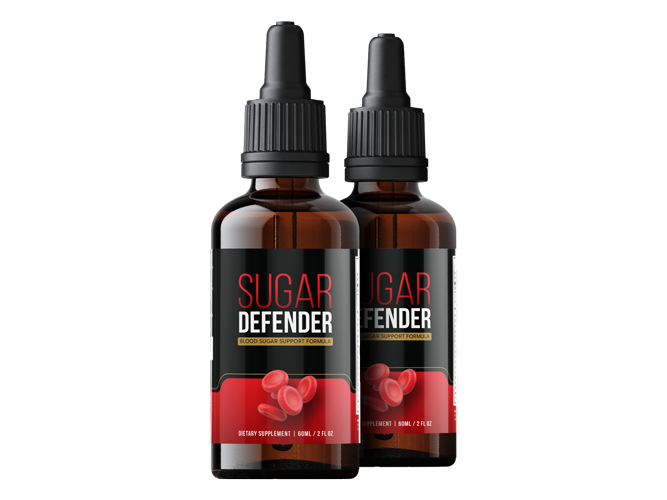
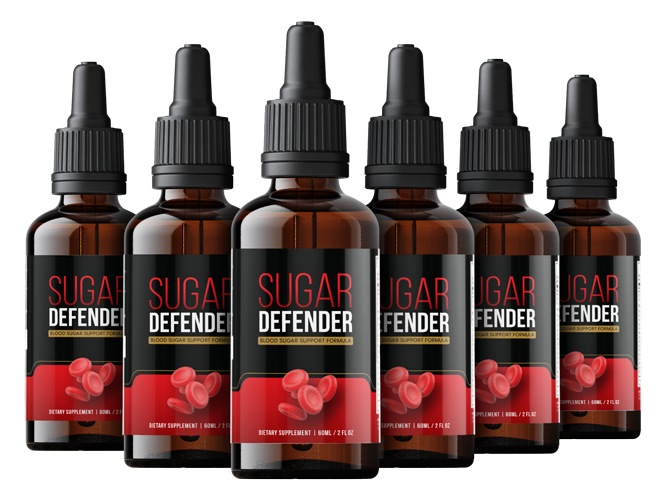
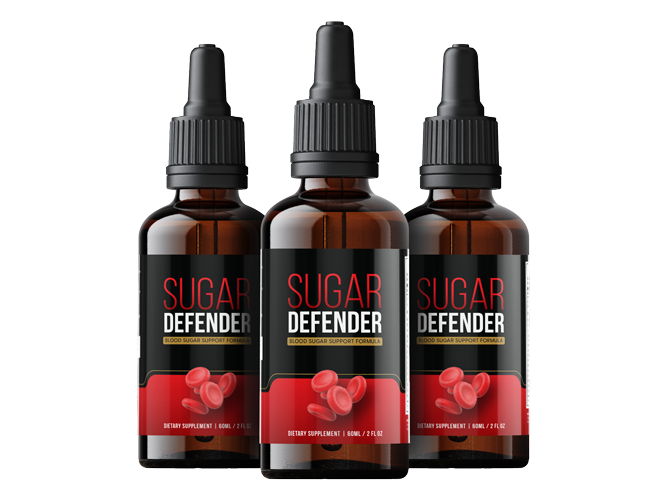
Sugar Defender is sold through its official website, where three packages are currently listed. Prices are shown in dollars, exactly as listed by the brand. Your bank converts the amount to your local currency at checkout.
While Stock Lasts
Bottle

Bottle
Bottle
 based on 2000+ reviews
The larger packages bring the price per bottle down noticeably. The brand says most of its customers choose the six-bottle option. That's in line with its own advice to use the product consistently for around three months.
Get 2 Free Bonuses!


It's a one-time payment. According to the official website, there's no subscription and no recurring charge.
Prices can change, so always check the current price and the final total at checkout on the official website.
Shipping to Europe
Here is how delivery works for European orders, plainly.
- Shipping fees depend on your country and are shown at checkout before you pay.
- Orders are processed within 1 to 2 working days and sent by carriers such as UPS or FedEx, with a tracking number by email.
- International delivery takes longer. According to the brand's shipping policy, delivery to some countries can take 4 to 6 weeks, and occasionally longer if customs clearance is slow.
- Customs charges may apply. Because the product ships from outside the EU, your country may add import fees or VAT.
The brand recommends buying only through the official website, to make sure you receive the genuine product.
The 60-day guarantee
Tom Green, the creator of Sugar Defender, addresses the obvious worry directly on the official site:
"The biggest question I get asked is, what happens if my blood sugar doesn't improve or I don't lose weight? […] So to take the risk out of ordering… Every bottle of Sugar Defender comes with a full 60-day guarantee."

According to the official return policy, this is how it works in practice:
- You have 60 days from the date of purchase.
- You email the company to request a return authorisation number (RMA).
- You send the product back, even empty bottles, within 14 days of receiving that number. Return postage is paid by you.
- Once the return has been received and checked, you get a refund to your original payment method, minus the original shipping and handling fees.
So you can try the product for close to two months and decide for yourself. If it isn't right for you, there's a clear route back.
That leaves a few common questions, and they're answered below.
Sugar Defender FAQ
Is Sugar Defender right for me?
According to the manufacturer, it's used by men and women from their 30s to their 70s who want to support healthy blood sugar levels and steadier energy through the day. It's intended for adults (18+). If you take any medication, are pregnant or breastfeeding, or have a medical condition, speak to your doctor first.
What results can I expect?
That depends on the person, and no supplement can promise a specific result. The brand says customers report more energy and less hunger. The reviews on its website mention more energy, steadier blood sugar and good value. Treat these as individual experiences, not guarantees. You'll get the most out of any supplement alongside sensible eating, regular movement and good sleep.
How long does it take to notice a difference?
According to the manufacturer, some people feel a difference within the first week. It recommends taking Sugar Defender consistently for around three months to judge it properly. The 60-day guarantee lets you try it over most of that period.
How do I take Sugar Defender?
The label directs adults to take 1 ml a day, or as advised by a healthcare professional. The brand suggests taking it before breakfast, either under the tongue for around 30 seconds or mixed into a glass of water.
Does Sugar Defender have side effects?
The manufacturer hasn't published specific side-effect data. The label carries clear warnings: not for under-18s, and consult a doctor if you're pregnant, breastfeeding or taking any medication. The formula also contains guarana and green tea, which are natural sources of caffeine, so keep that in mind if you're sensitive to it. Stop using it and seek advice if anything doesn't feel right.
Can I take it if I'm on medication for blood sugar?
Only after speaking to your doctor or pharmacist. Some plant extracts can interact with medicines, particularly those for blood sugar or blood pressure. Sugar Defender is a supplement, not a replacement for prescribed treatment, and you shouldn't change your medication without medical advice.
Does Sugar Defender ship to Europe?
Yes, the official website accepts international orders. Shipping fees for your country are shown at checkout. International delivery can take 4 to 6 weeks, and import duties or VAT may be charged by your country.
What if it doesn't work for me?
Every order comes with a 60-day money-back guarantee. You email the company for a return authorisation number, send the product back (even empty bottles) at your own cost, and receive a refund minus the original shipping and handling fees.
Is it a subscription?
No. According to the official website, it's a one-time payment with no recurring charges.
Where can I buy Sugar Defender?
Only through the official website. The brand advises against buying elsewhere, to make sure you receive the genuine product and are covered by the guarantee.
Back to 3pm
Picture the same afternoon again.
Lunch is over. The emails are waiting. Somewhere around three o'clock, you notice the moment you've come to expect: the heaviness, the fog, the pull towards something sweet.
Only now you know what you're looking at.
It isn't laziness. It isn't simply age. And it isn't something another coffee was ever going to fix.
It's a pattern. Food, a rise, a drop, a craving, and the whole thing again. It's driven largely by how much quick-acting sugar modern food puts in front of you, and by a body that handles that load a little less smoothly than it did at 30.
Once you see it, you can start working with it. That means sensible meals and a little more movement. It means better sleep where you can manage it. And, if it suits you, support for your body as it does a job it repeats many times a day.
That's where Sugar Defender fits. It brings together plants and nutrients researchers have taken an interest in, including Panax ginseng, Eleuthero, Maca, African Mango and green tea, alongside Gymnema and more, in one daily serving instead of a cupboard full of jars. It's backed by a 60-day money-back guarantee, so you can judge it for yourself.

What most people want isn't extraordinary. It's to reach the end of the day still feeling like themselves: clear-headed, patient, with something left for the evening.
If that's what you're after, the next step is simply to look at the formula properly, check the current price and shipping to your country, and decide for yourself.
See the full ingredient list, current prices and guarantee terms.